


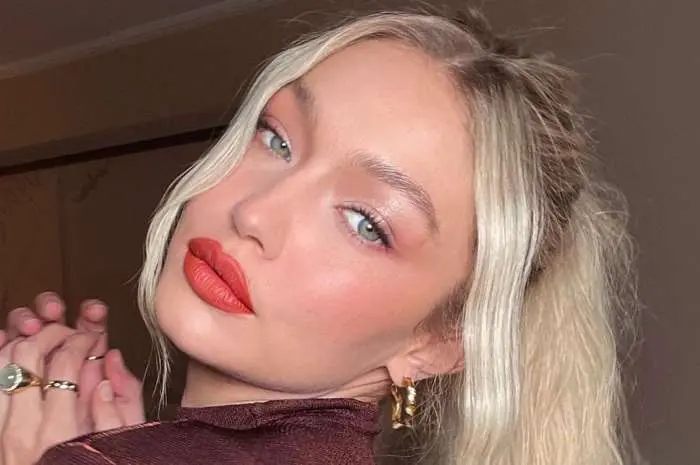
Finding the right lipstick color that complements your skin tone can be a game-changer for your makeup routine. It can enhance your natural beauty, boost your confidence, and complete your look.
However, with the vast array of shades available, selecting the perfect lipstick can seem daunting. Here are comprehensive tips to help you choose a lipstick color that suits your skin color beautifully.
Understanding Skin Tone and Undertones
Before diving into lipstick shades, it’s crucial to understand the difference between skin tone and undertones:
- Skin Tone: This refers to the surface skin color, which can be light, medium, tan, dark, or deep.
- Undertones: These are the colors underneath the surface of your skin and can be categorized as cool (pink, red or bluish), warm (yellow, peachy, golden), or neutral (a mix of warm and cool undertones).
Tips for Each Skin Tone
1. Fair or Light Skin
- Cool Undertones: Opt for lipsticks with blue or purple shades like soft mochas, nudes, or pale pinks.
- Warm Undertones: Try lipsticks in peachy nudes, coral pinks, or light reds.
- Neutral Undertones: You have the flexibility to experiment with both warm and cool shades. Pale pinks and light corals can be particularly flattering.
2. Medium Skin
- Cool Undertones: Rose, berry, cherry red, and mauve lipstick shades can beautifully complement your skin.
- Warm Undertones: Try bronze, copper, and earthy red shades.
- Neutral Undertones: You can pull off both reds and deep pinks beautifully.
3. Tan or Olive Skin
- Cool Undertones: Colors like cranberry, deep pink, and coral can enhance your natural warmth.
- Warm Undertones: Copper, bronze, and earth tones work well; bright oranges can also be stunning.
- Neutral Undertones: Deep pinks, bright reds, and most earthy tones tend to look great.
4. Dark Skin
- Cool Undertones: Go for ruby and wine-colored reds or deep plums.
- Warm Undertones: Golds, bronzes, or warm reds can look fantastic.
- Neutral Undertones: Chocolate, deep plum, or caramel shades are ideal.
Tips for Testing Lipstick
- Natural Light: Always test lipstick in natural light, as artificial lighting can distort the color.
- Test on Lips: If possible, test the lipstick on your lips rather than on your hand. This gives you a more accurate idea of how it will look.
- Start Subtle: If you’re new to experimenting with colors, start with lighter shades and gradually work your way to bolder colors as you discover what works best for you.
Consider Your Makeup Style
Your overall makeup style should also influence your lipstick color choice:
- Bold Eye Makeup: If you wear bold eye makeup, a more subdued lipstick might balance your look.
- Natural Makeup: Vibrant lipstick can add a pop of color and enhance natural makeup styles.
Seasonal and Trend Considerations
While your skin tone should guide your lipstick color choices, don’t be afraid to experiment with seasonal trends. For example, lighter, more vibrant colors are popular in spring and summer, while richer, deeper tones are typically favored in fall and winter.
Conclusion
Choosing the right lipstick color for your skin tone can elevate your entire look and make your facial features pop. Remember, these guidelines are not strict rules but starting points to help you feel confident and beautiful in your lipstick choices. Don’t be afraid to experiment and have fun with your makeup – after all, beauty is all about expression!
