


Heart disease remains one of the leading causes of death worldwide, emphasizing the importance of early detection and prevention. Recognizing the early symptoms of heart disease can be crucial in seeking timely medical attention and implementing lifestyle changes to manage the condition.
In this comprehensive guide, we’ll explore the various early warning signs of heart disease that individuals should watch out for, empowering them to take proactive steps towards heart health.
Understanding Heart Disease
Heart disease encompasses a range of conditions that affect the heart and blood vessels, including coronary artery disease, heart failure, arrhythmias, and heart valve problems.
These conditions can arise from various factors, such as high blood pressure, high cholesterol, diabetes, smoking, obesity, and a sedentary lifestyle. While some risk factors are modifiable through lifestyle changes, others, such as age, family history, and genetics, are beyond our control.
Early Symptoms of Heart Disease
1. Chest Discomfort or Pain
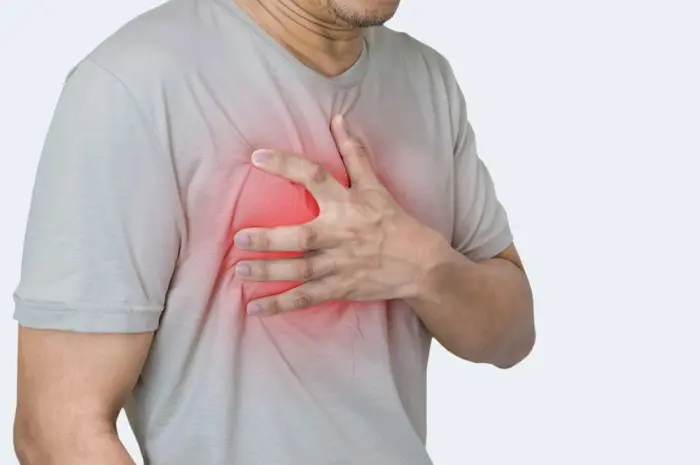
One of the most common early symptoms of heart disease is chest discomfort or pain, often described as tightness, pressure, squeezing, or burning sensation in the chest.
This discomfort may occur during physical activity or at rest and can radiate to the neck, jaw, shoulders, back, or arms. It’s essential not to ignore chest pain, as it could indicate underlying heart issues, such as angina or a heart attack.
2. Shortness of Breath
Experiencing unexplained shortness of breath, especially during physical exertion or while lying down, can be an early sign of heart disease. Shortness of breath, also known as dyspnea, occurs when the heart is unable to pump blood effectively, leading to inadequate oxygen supply to the body.
This symptom may worsen over time and could indicate underlying heart failure or other cardiac conditions.
3. Fatigue and Weakness
Persistent fatigue and weakness, even after adequate rest, can signal an underlying heart problem. When the heart is unable to pump blood efficiently, the body may not receive an adequate supply of oxygen and nutrients, leading to feelings of tiredness and weakness.
Fatigue associated with heart disease may worsen with physical activity and may be accompanied by other symptoms, such as dizziness or lightheadedness.
4. Palpitations
Palpitations refer to irregular or rapid heartbeat sensations, such as fluttering, pounding, or racing of the heart. While occasional palpitations may be benign, frequent or persistent palpitations could indicate an underlying arrhythmia or heart rhythm disorder.
It’s essential to pay attention to any changes in your heartbeat pattern and seek medical evaluation if palpitations occur frequently or are accompanied by other symptoms.
5. Swelling in the Legs, Ankles, or Feet
Swelling in the lower extremities, such as the legs, ankles, or feet, may indicate fluid retention, a common symptom of heart failure. When the heart is unable to pump blood efficiently, fluid can accumulate in the body’s tissues, leading to swelling or edema.
If you notice persistent swelling or sudden weight gain, especially in conjunction with other heart disease symptoms, it’s crucial to consult a healthcare professional for evaluation.
6. Dizziness or Fainting
Feeling dizzy, lightheaded, or fainting (syncope) can be a sign of decreased blood flow to the brain, often due to an underlying heart condition. Fainting episodes may occur suddenly and without warning, posing a risk of injury.
If you experience frequent dizziness or fainting spells, especially when exerting yourself or standing up quickly, it’s important to seek medical attention to rule out potential heart-related causes.
Conclusion
Recognizing the early symptoms of heart disease is essential for timely intervention and management of the condition. By staying vigilant and paying attention to changes in your health, you can take proactive steps to protect your heart and reduce your risk of cardiovascular complications.
If you experience any of the symptoms mentioned above or have concerns about your heart health, don’t hesitate to consult a healthcare professional for evaluation and guidance. Your heart deserves the best care, so listen to your body and prioritize your cardiovascular health.
