


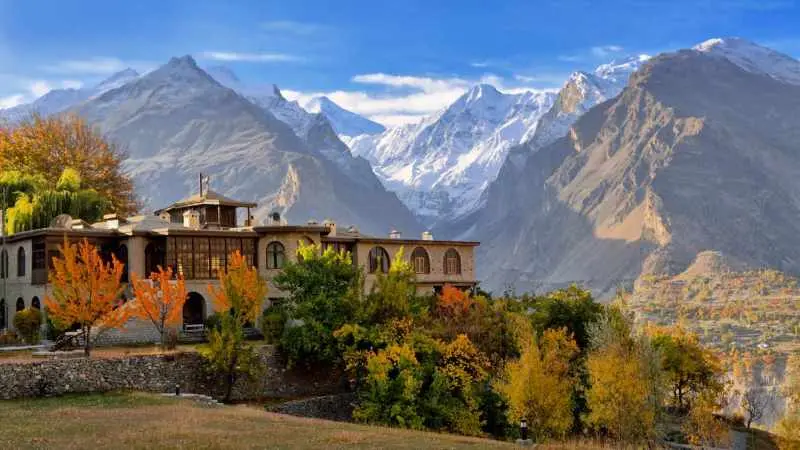
Nestled in the Karakoram mountain range of Gilgit-Baltistan, Pakistan, the Hunza Valley is a breathtaking paradise that attracts travelers from around the world. With its stunning landscapes, rich culture, and warm-hearted people, this hidden gem offers a once-in-a-lifetime experience.
In this article, we will delve into why you should visit Hunza Valley, its location and route, the best time to visit, and the must-see attractions that make this destination truly remarkable.
Why Visit Hunza Valley?
1. Natural Beauty
The Hunza Valley is renowned for its awe-inspiring natural beauty. Surrounded by snow-capped peaks, including Rakaposhi, Diran, and Ultar Sar, the valley offers a mesmerizing panorama of mountains, valleys, glaciers, and crystal-clear lakes. The surreal beauty of this region is nothing short of a photographer’s paradise.
2. Rich Culture and Warm Hospitality
The Hunza Valley is home to the friendly and hospitable Burusho people. Immersed in their unique culture, visitors have the opportunity to witness traditional music, dance, and local festivals. Interacting with the locals and experiencing their warm hospitality is a highlight of any trip to Hunza.
3. Historical Significance
The region has a rich history dating back thousands of years. The ancient Silk Road passed through this valley, making it a cultural crossroad where different civilizations and traders left their mark. Visitors can explore historical sites such as Altit and Baltit Forts, which offer insights into the region’s past.
Location and Route
Hunza Valley is situated in the northernmost part of Pakistan, bordering China’s Xinjiang region. The most common way to reach Hunza is through the Karakoram Highway (KKH), a legendary road known for its stunning vistas and engineering marvels.
The KKH connects Islamabad, the capital city of Pakistan, to Gilgit, the capital of Gilgit-Baltistan. From Gilgit, it takes around two to three hours to reach the Hunza Valley. Alternatively, visitors can also access Hunza Valley via flights to Gilgit or by road from Skardu.
When to Visit
The best time to visit Hunza Valley is during the spring and autumn seasons. From April to June, the valley bursts into a riot of colors as the cherry, apricot, and apple orchards blossom, creating a captivating sight.
The weather during this time is pleasant, with mild temperatures and clear skies. Similarly, from September to November, the valley is adorned with vibrant autumn foliage, creating a picturesque landscape. Summers are also a good time to visit, as the weather remains cool and pleasant.
What to See in Hunza Valley
1. Rakaposhi Viewpoint
Located near the village of Minapin, the Rakaposhi viewpoint offers an awe-inspiring view of the majestic Rakaposhi peak, standing tall at 7,788 meters. The panorama of the mountain range, glaciers, and lush green valleys from this spot is simply breathtaking.
2. Altit and Baltit Forts
These ancient forts, perched on hilltops, are architectural marvels and provide a glimpse into the region’s history. Altit Fort is around 900 years old, while Baltit Fort dates back to the 13th century. Both forts have been restored and converted into museums, displaying artifacts and offering insights into the local culture and traditions.
3. Attabad Lake
A visit to Hunza is incomplete without seeing the mesmerizing Attabad Lake. Formed as a result of a massive landslide in 2010, the turquoise-blue lake is surrounded by towering mountains and offers opportunities for boating and photography. It is a true gem of nature’s resilience.
4. Passu Cones
The Passu Cones, also known as the Cathedral Peaks, are a series of jagged peaks that rise dramatically above the Passu village. These striking limestone formations create a surreal landscape and are a delight for photographers and nature enthusiasts.
5. Karimabad Bazaar
Exploring the lively Karimabad Bazaar is an essential part of the Hunza experience. The market offers a variety of traditional handicrafts, gemstones, and local delicacies, providing visitors with a chance to indulge in shopping and savoring the flavors of the region.
Conclusion
The Hunza Valley, with its pristine beauty, rich culture, and historical significance, is a destination that should be on every traveler’s bucket list. Whether you are an adventure seeker, a nature lover, or someone interested in immersing yourself in a unique culture, Hunza has something for everyone. From the towering mountains to the warm hospitality of the locals, this enchanting valley promises an unforgettable experience that will stay with you long after you have left.
